

Custom Injection Molding



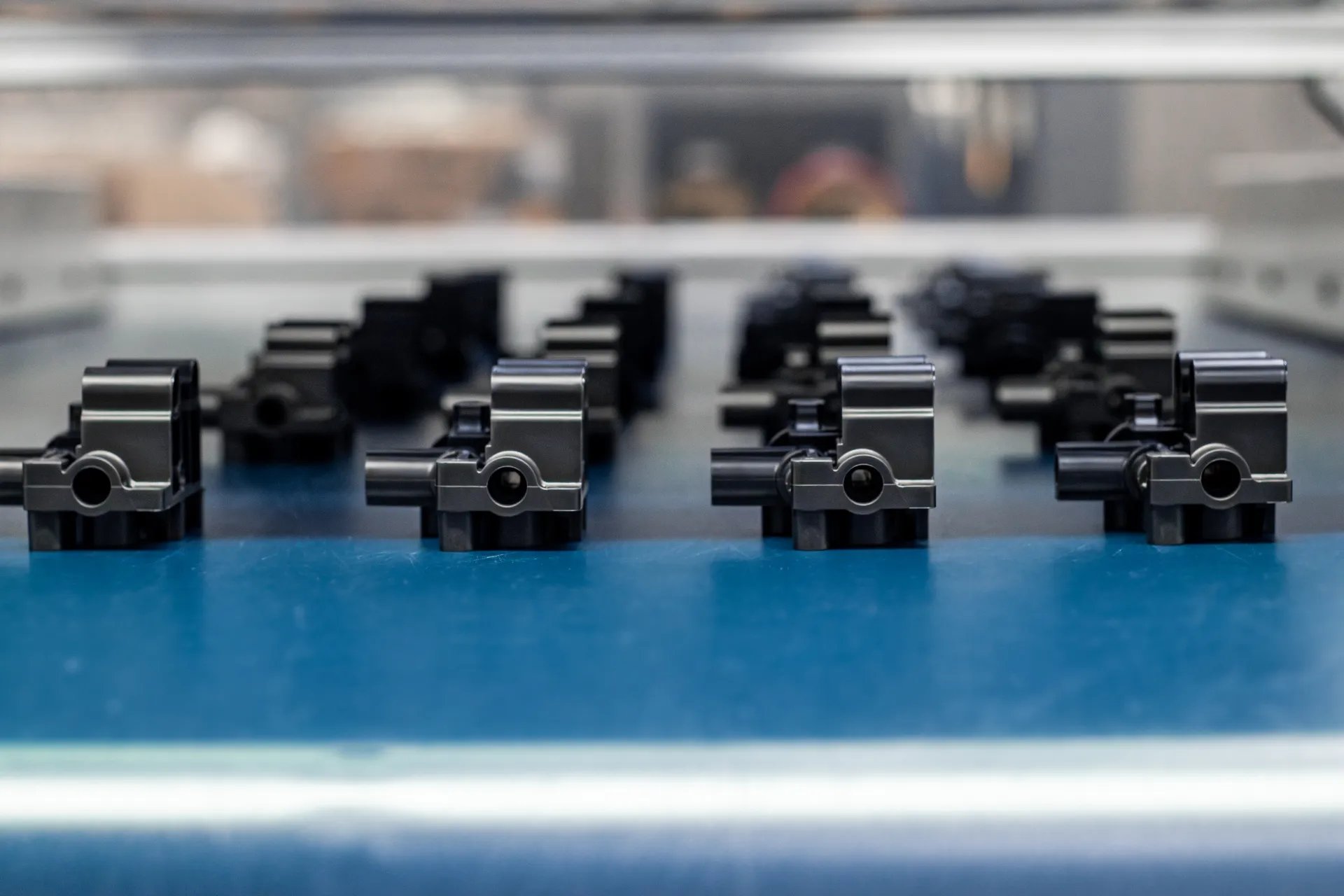
From medical devices to industrial components, Kaysun provides custom injection molding solutions that meet the toughest performance and compliance standards. We back every part with technical expertise, advanced molding technologies, and proven quality systems to ensure reliable performance at any scale.
As the demand for reliable, scalable injection molding rises, OEMs are turning to trusted U.S.-based partners like Kaysun for top-performing parts and peace of mind.

What Is Custom Plastic Injection Molding?
The 30-second Summary
Custom plastic injection molding goes beyond commodity production by combining advanced part design, material selection, tooling, and process controls such as scientific molding to deliver precision and reliability. Choosing the right injection molding partner ensures compliance, performance, and long-term competitive advantage.
Want more information on the injection molding process?
READ THESE HELPFUL BLOG ARTICLES:
Custom Injection Molding vs. Other Molding Methods
Plastic Molding Methods – Comparison Table
- High precision
- Fast cycle times
- Automation-friendly
- Excellent repeatability
- Lightweight parts
- Uniform wall thickness
- Fast production
- Durable structural parts
- Material flexibility
- Good for reinforced plastics
- High throughput
- Low tooling cost
- Continuous production
- Minimal waste
- Low tooling cost
- Seamless construction
- No molds needed
- Rapid iteration
- Customization on demand
Benefits of Custom Plastic
Injection Molding for Complex Applications
OEMs have options when it comes to molding, but project expectations and functionality often drive the choice in direct proportion to molder capabilities.
For manufacturers with project-specific needs, complex geometries, or any other detailed challenges, custom plastic injection molding provides numerous advantages:
For OEMs with complex part designs requiring tight tolerances, custom plastic injection molders can achieve repeatable design accuracy to within +/- .001 inches.
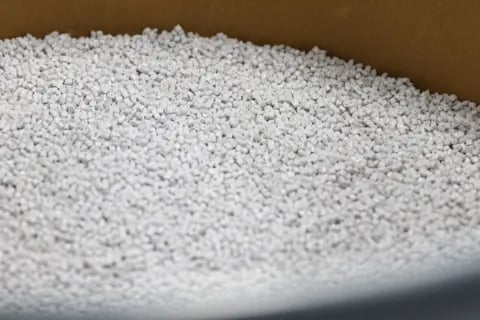
There are many types of engineering-grade plastics to choose from to produce injection molded plastic parts and components, allowing OEMs to find exactly the right options for their applications and operating environments.
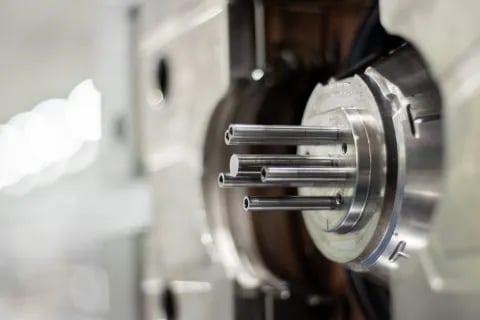
Complex applications require a repeatable process in order to achieve consistent product quality and performance. Custom plastic injection molding uses the same tool for each part, and scientific molding sensors are commonly used to monitor the activity inside the tool for reliable high-output production.
It’s not uncommon for complex part designs to require components made of different materials. The expertise from the molder’s plastics engineers can help ensure that different polymers are compatible under all conditions to help reduce defects.
From the automotive industry to military applications, many OEMs use plastic to help reduce the weight of their products. Today, high-strength, lightweight thermoplastics replace metal components with virtually no difference in strength or dependability.
From matte finishes and unique textures to engraving, injection molding allows for the inclusion of a variety of surface finishes without the need for secondary operations.
Custom or common colors can be added to the injection molding mix. Multiple colors can be used on a single product when two-shot or overmolding processes are used.
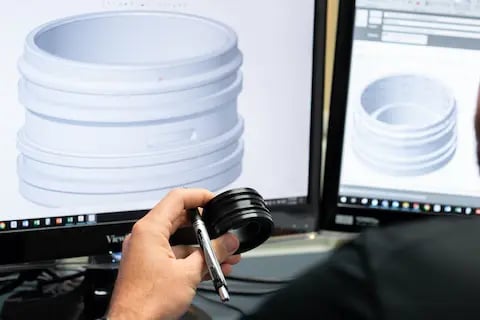
Utilizing tools and technologies such as upfront design analysis and support and mold fill analysis software, experienced custom injection molders significantly reduce the number of problems in part design well before production starts — maximizing moldability and minimizing the need for expensive tooling changes. These efficiencies shorten product development timelines, generally reduce project costs, and help get defect-free products to market faster.

FIND OUT WHY PARTNERING WITH THE RIGHT INJECTION MOLDER IS CRITICAL FOR PROJECT SUCCESS IN THESE INSIGHTFUL ARTICLES:

Optimizing the Injection Molding Process
Partnering with a custom injection molder, like Kaysun, with the experience and insights to drive improvements in complex applications – from the product design phase through production – allows opportunities for process optimization through:
What is Design for Manufacturability (DfM)?
Design for Manufacturability is the process of designing a part so it can be manufactured easily, cost-effectively, and with high quality.
DfM involves optimizing the part geometry, material selection, and tolerances to align with specific injection molding capabilities
Key goal: Reduce production time, cost, and defects by catching issues early in the design phase
What is Scientific Molding?
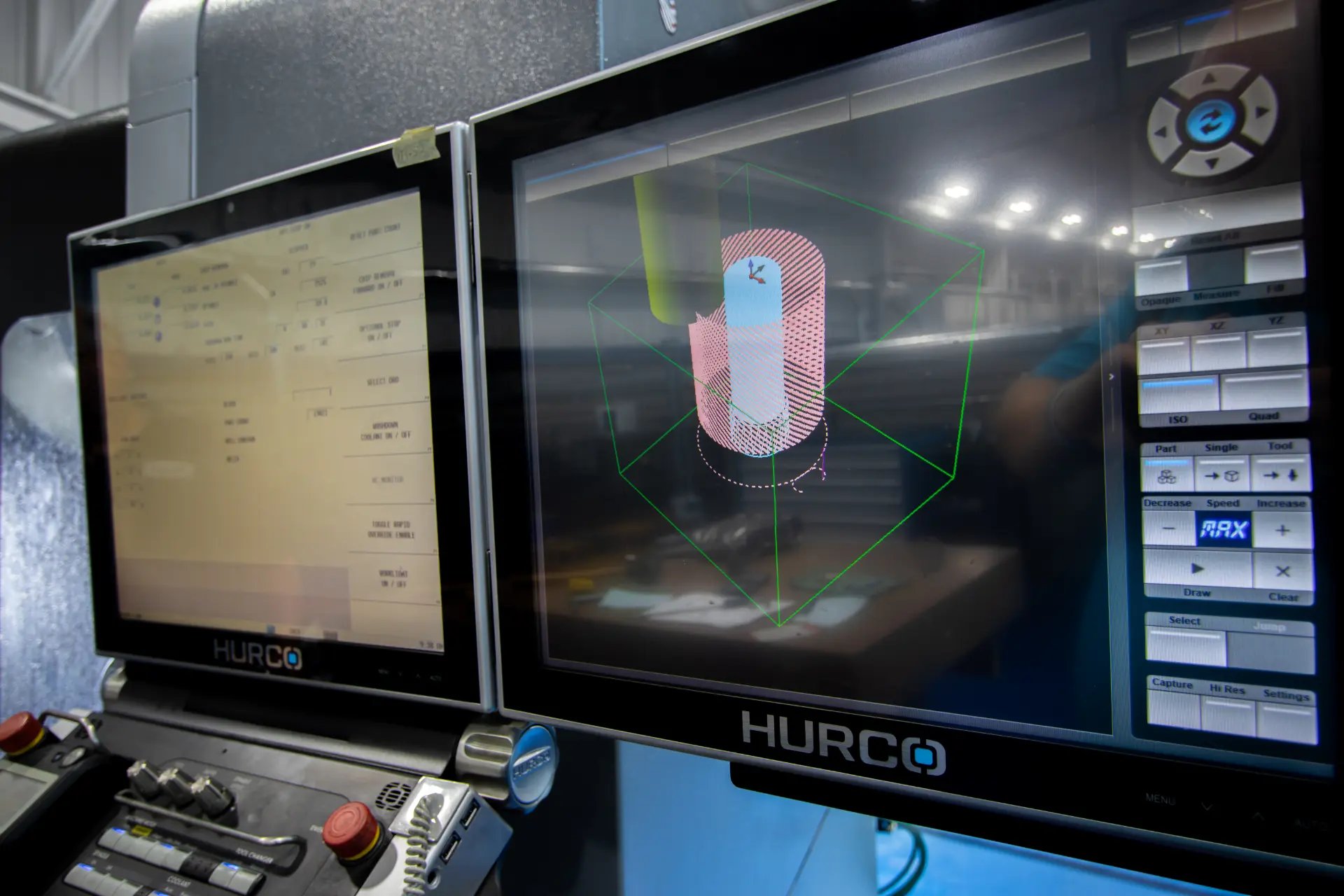
Scientific molding is a data-driven approach to injection molding that uses scientific principles (material behavior, pressure, and temperature) to control and optimize the molding process.
Scientific molding focuses on repeatability and consistency by tightly controlling variables during each stage of molding.
Key goal: Improve part quality, reduce scrap, and ensure consistent part quality and performance across production runs
What is Mold Fill Analysis?
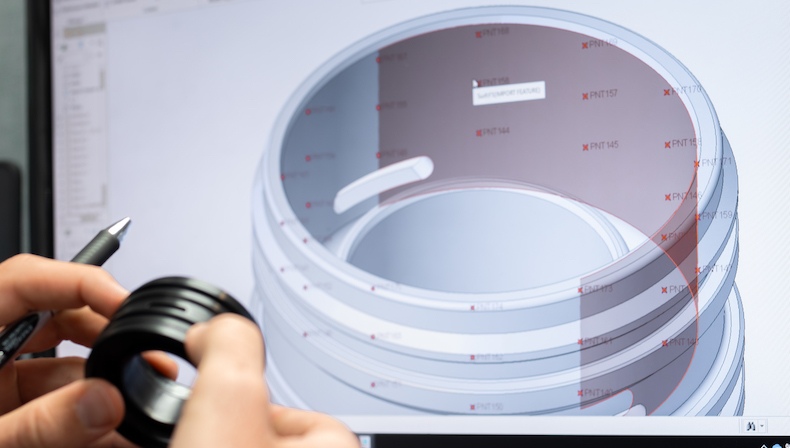
Mold Fill Analysis is a computer simulation that predicts how molten plastic will flow into a mold cavity. It helps engineers identify potential defects — like short shots, air traps, weld lines, or sink marks — before the mold is built.
Key goal: Prevent costly design or tooling changes by simulating and correcting issues early in the development process
Plastic Injection
Molding Applications
Ideal projects include but aren’t limited to:
- Large annual volume productions that justify the tooling investment
- Component design geometries that involve complex designs and shapes
- Complex applications that require precision, extremely tight tolerances and/or a consistent, exceedingly high level of quality
- Part consolidation or metal-to-plastic conversion opportunities that streamline production and/or address industry mandates, such as vehicle lightweighting requirements implemented in the auto industry
- Applications constructed from expensive material(s) that would result in excessive waste and significant budgetary concerns if machined
- Projects in which the part design will not change over several years, thereby maximizing the value of the tooling investment
-
Applications in which surface finish is a factor, as injection molding can yield a wide variety of textured or engraved surfaces

Tight Tolerance Molding
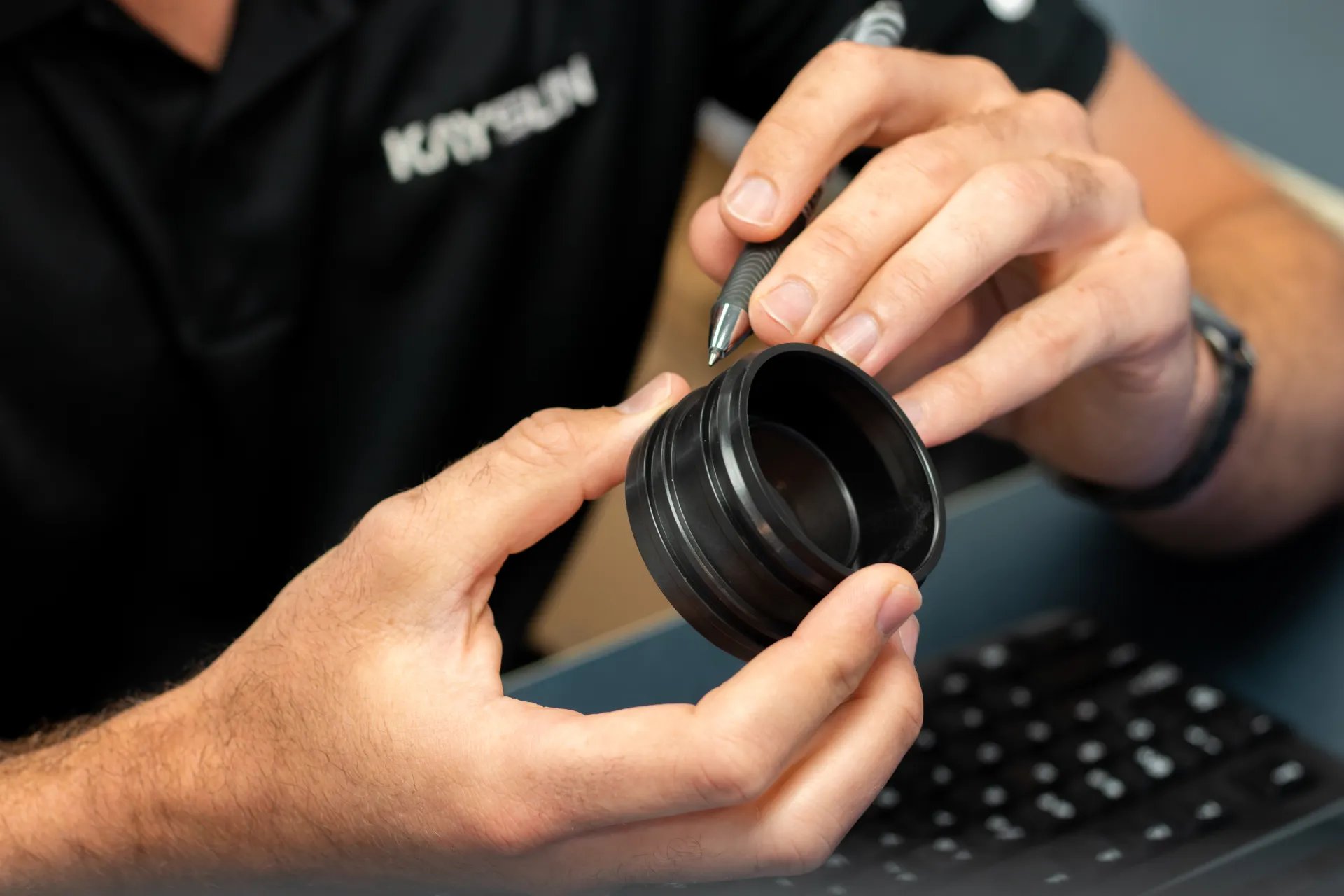
Tight tolerances frequently top an OEM’s list of factors that impact projects and also influence injection molder selection. As such, it’s worth noting how potential injection molding partners approach tight tolerances during the project design phase.
A molder with the know-how and willingness to explore all aspects of the design is essential, and one that asks the tough questions upfront will contribute to successful outcomes.
part performance, longevity and appearance?
Many designers automatically set a tolerance in the CAD drafting software and all dimensions are toleranced to that number, when in reality the product may not need such a tight tolerance.
Physical part size also affects tight tolerance capability. Large parts are difficult to hold to tight tolerances consistently. Local areas within the large part, however, are easier to manage and can be dimensioned accordingly.
behavior and tolerance?
Plastics typically have large thermal expansion coefficients; as a result, tight-tolerance parts may have to be measured at a consistent temperature.
thickness variations impact
outcomes?
Exposure to temperature fluctuation in normal operation may cause part expansion or contraction that makes tight tolerance unnecessary. Or, some plastic parts — especially those made from nylon — lose some of their dimensional stability when they leave a tightly controlled atmosphere and are used in environments with higher moisture content.
In order to truly benefit from all of these advantages, it’s important that manufacturers seek out experienced custom plastic injection molders that know how to maximize efficiency and overcome any design or process issues.
Having the best equipment, technology, and materials will only get you so far; it’s having the best, most experienced engineers and tooling partners that really makes a difference in lead times, costs, and final quality.
TAKE A LOOK AT THESE ARTICLES TO LEARN MORE ABOUT TIGHT TOLERANCES:
Working with a Certified Injection Molder
What certifications should a custom injection molder have?
Key certifications include ISO 9001 (quality management), IATF 16949 (automotive), ISO 13485 (medical devices), and ITAR (defense compliance). Few U. S. injection molders are MedAccred accredited (critical medical device parts and processes), but those that are — like Kaysun — unequivocally meet the highest standards of quality, consistency, and reliability.
Does molder certification guarantee compliance with FDA, DOT, or other regulatory bodies?
While certification helps align with regulatory expectations, it does not replace compliance. However, certified molders are more likely to have the systems and documentation in place to support regulatory audits.
How often are certified injection molders audited?
Most certifications require annual or bi-annual audits by independent third parties to ensure standards are being continuously maintained.
Learn more about custom injection molding for complex applications in these popular blog articles:
Custom Injection Molding: Wisconsin-based, Nationally Accessible
Kaysun stands out among injection molding companies in Wisconsin. In addition to our decades of experience and specialization in complex applications for key industries we provide:
- Geographic advantage: Our Manitowoc, Wisconsin, location is in the heart of the upper Midwest and convenient to the OEMs we serve in the region and across the country
- Logistical convenience: Our centrality means strategic opportunities for shorter lead times, faster delivery, and easier logistics coordination compared to coastal suppliers
- American made, Wisconsin proud: We leverage world-class problem solving and advanced technologies to deliver injection-molded parts that drive competitive advantage — all proudly made in the U.S.A. for nearly a century at our original Wisconsin facility




Injection Molding Technology & Key Processes
Custom plastic injection molding is remarkably versatile. OEMs often gain efficiencies — and usually cost savings — from the experience full-service injection molders are able to provide.
Multi-material molding allows for the integration of additional materials — polymers, metals, and other non-plastics — during molding to add features and simplify assembly. Popular methods of multi-material molding include:
Overmolding (Multi-Shot Molding)
Overmolding, also referred to as multi-shot molding, is a unique injection molding process that results in a seamless combination of multiple materials into a single part or product. It typically includes a rigid, plastic-base component overlaid with a thin, pliable, rubber-like thermoplastic elastomer (TPE) exterior layer or other materials using either a single- or two-shot technique to:
- Improve product performance since TPE creates soft surfaces, good grip, and an environmental barrier against shock, vibration, noise, electrical interference, and chemical/UV intrusion
- Increase shelf appeal with the desired look that helps a product stand out from the competition since TPE can be used to create a visually attractive surface that includes myriad colors and textures
- Lower production costs by reducing the number of manufacturing steps involved
Insert Molding
There is a perception that insert molding is used to merely create plastic-covered metal cylinders to bolt to brackets, mounts, or other components. While this definition is accurate, it’s also narrow. Bearings, custom stampings, flexible circuits, and parts made from powdered metal, rubber, or other materials can be insert-molded as single parts. They could also be combined and configured inside the tool and then sealed together with the plastic during the insert-molding process.
Although a custom-made tool that accepts the proposed insert(s) is necessary, the tradeoff in benefits is well worth the investment, since insert molding realizes:
- Improved manufacturability by replacing some post-tool assembly operations such as snap fits, gluing, and the use of screws or other fasteners
- Cost savings with part number reductions, supplier consolidation, and part tracking and shipping
- Stronger and more consistent parts compared to those created using secondary operations and manual insertions instead of automated processes offered by some injection molders
For more on overmolding, read these valuable blog posts:
Metal-to-plastic conversion uses engineered plastics with properties similar — or superior — to metal to improve product or component integrity while also providing:
- Tensile strength comparable to metal
- Reduced part weight
- A highly repeatable process (less scrap)
- Lower manufacturing costs
- Enhanced regulatory compliance
- Greater design flexibility
- Increased market stability for material cost
- Lower packaging and shipping costs
- Lower finishing costs (pre-color, surface finish)
Read through these blog posts to learn more about metal-to-plastic conversion:
How To Select the
Right Partner for Your
Complex Application

Use this checklist to find your best fit:
Plastics engineering experts with a proven track record of successes
Dedicated to molder-customer collaboration from project inception through production
Adds value that positively impacts manufacturers’ bottom lines
Offers supply chain stability and on time delivery



Does your company fit our ideal customer profile?
Complete the form to request a free consultation with our plastic engineering experts.