





Overmolding Durable, ergonomic, and cost-efficient solutions for better-performing parts

TL;DR

  • What we do: TPE overmolding and insert molding for complex plastic and metal parts

  • Why Kaysun: Scientific molding, deep TPE expertise, precision tooling, and rapid prototyping

  • Outcomes: Fewer steps, stronger parts, better aesthetics, faster launches

  • Who we serve: Medical, automotive, defense, and consumer OEMs

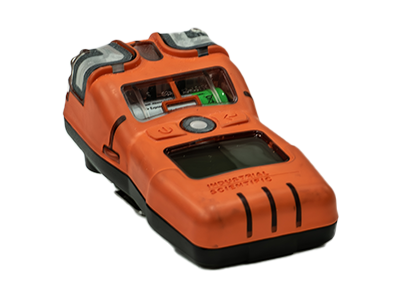
Industrial Scientific Multi-ZoneMulti-Gas Detector_View 6
Group 272

What is Overmolding?

Overmolding is a multi-shot injection molding process where a base part (substrate) is coated with a second material, often TPE, for improved grip, durability, comfort, or aesthetics.

Generally speaking, the overmolding process:

  • Combines rigid and soft materials in one molded part

  • Often uses thermoplastic elastomers (TPE) over hard substrates

  • Improves user interface, vibration dampening, sealability, and impact resistance

  • Eliminates assembly steps and post-mold finishes


Download the Overmolding Fundamentals white paper → Learn best practices for material pairing and design

Overmolding vs. Insert Molding

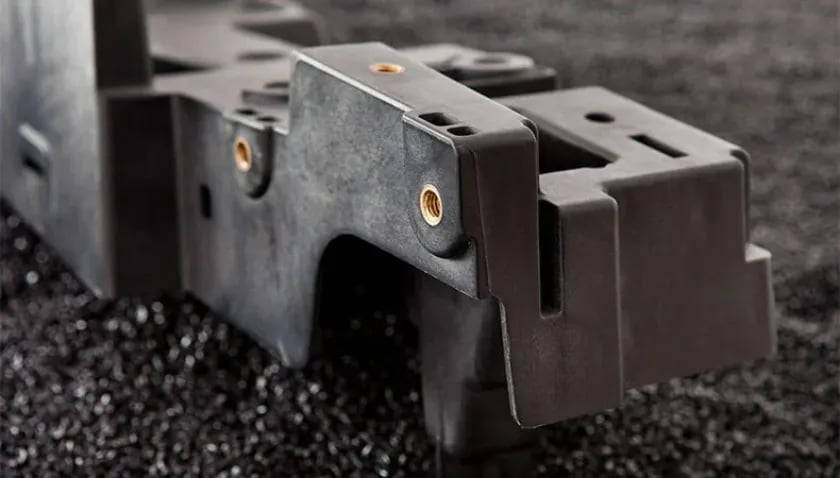
Both overmolding and insert molding are multi-material processes, but overmolding bonds molten TPE to a molded plastic or metal part, while insert molding encases a pre-placed insert (often metal) during the injection cycle.

Kaysun has both overmolding and insert molding capabilities.

Overmolding
Insert Molding
Process
Bonding plastic substrate to plastic or metal base
Encasing pre-placed metal insert into plastic part during injection cycle
Primary Benefit
Ergonomics, aesthetics, sealing
Strength, structural bonding
Typical Material
TPE
Rigid Plastics
insert molding
benefits

Benefits of Overmolding

  • Reduces shock and vibration
  • Dampens sound and provides electrical insulation
  • Creates moisture and chemical barriers
  • Enhances part feel, aesthetics, and brand appeal
  • Eliminates post-production coating or adhesive steps
  • Improves product durability and throughput


Overmolding questions?

Common Overmolding Applications

  • Medical: Sterilizable grips for surgical tools, sealed housings
  • Automotive: Connector boots, handle grips, weatherproof sensors
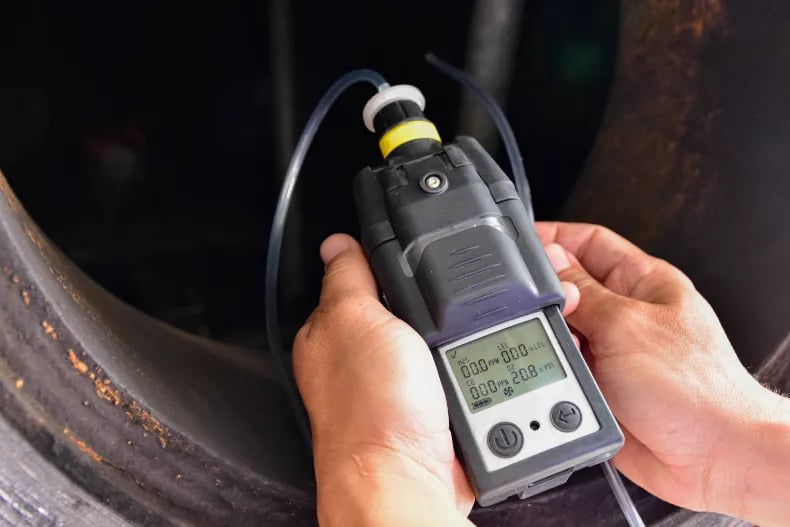
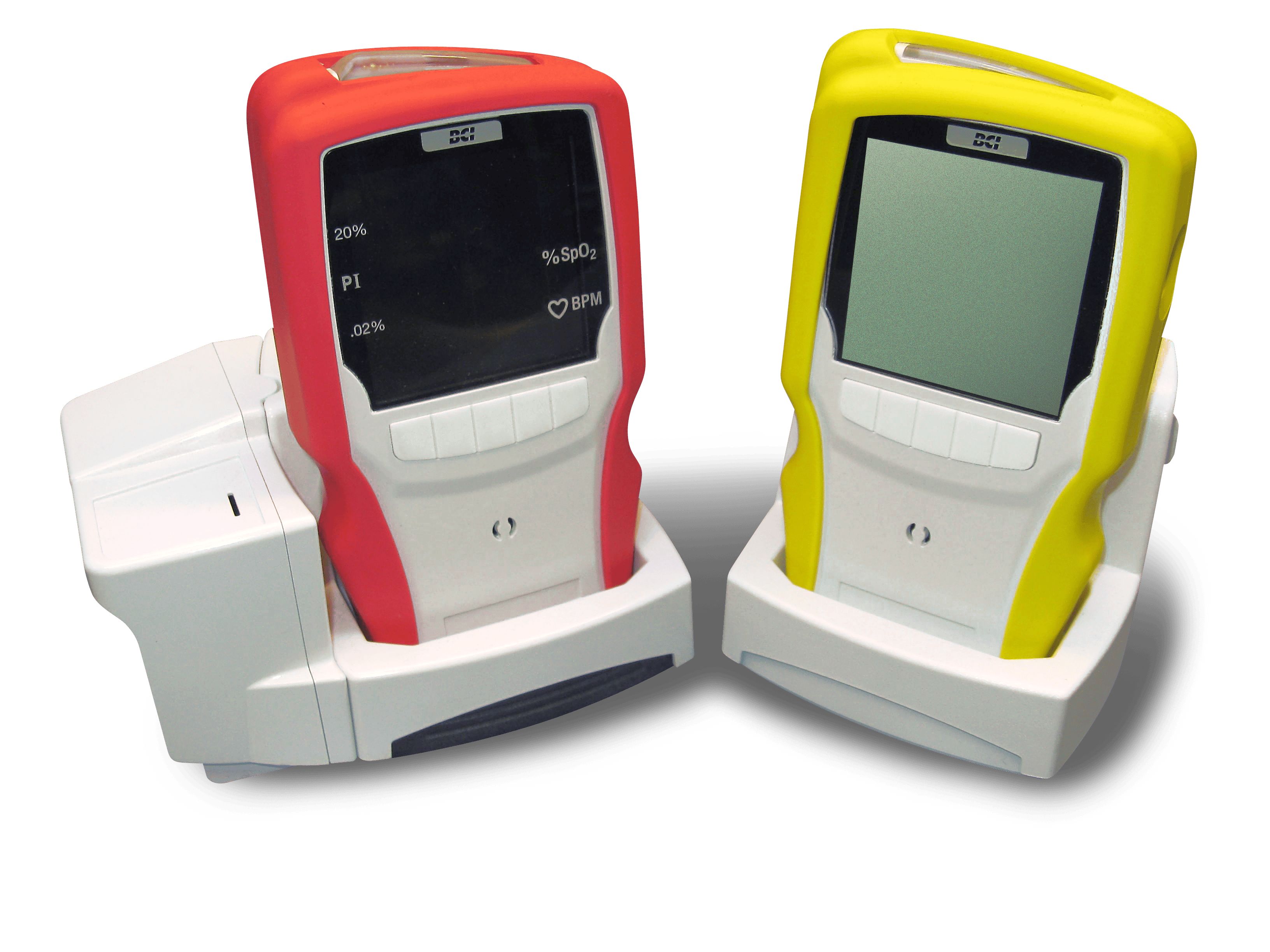
  • Industrial & Defense: Rugged handheld devices, vibration-dampening enclosures
  • Consumer: Appliance controls, toothbrush grips, power tools
applications

Overmolding Considerations

ChecklistIconWhite

Characteristics That Influence Successful Outcomes

  • Friction, hardness, TPE thickness
  • Chemical compatibility between TPE and substrate
  • Softness perception is more dependent on thickness than durometer
process

Substrate Compatibility

  • ABS, PC, PC-ABS, Nylon 6, PMMA, HDPE
  • Polypropylene, PPO, Copolyester, Polystyrene
  • Metals
prototype

Prototyping

Overmolding requires carefully designed, highly precise tools that can take months and hundreds of thousands of dollars to build. Prototyping in the earliest stages of product design and development is the most efficient way to:

  • Validate performance
  • Define realistic processes and schedules
  • Maximize manufacturability
  • Minimize expensive production tool redesign and testing
partnership

Overmolding Expertise

Not every molder can overmold. Kaysun combines:

  • Engineering expertise in DfM, mold flow, scientific molding, and material validation
  • Comprehensive tooling knowledge and collaborative design
  • Process development with precision control of pressure, temperature, and material flow
  • Vertical and horizontal presses for insert and overmold processes

Overmolding FAQs

What is overmolding in injection molding?

Overmolding is the process of layering a soft plastic (like TPE) over a hard plastic or metal substrate to enhance grip, protection, and performance.

When is overmolding used?

It's used when parts need better ergonomics, sealing, vibration resistance, or improved aesthetics in a single molded part.

How does overmolding differ from insert molding?

Insert molding involves placing a pre-formed component (often metal) into a mold before plastic is injected around it. Overmolding bonds two materials through sequential molding steps.

Why prototype overmolded parts?

To test for bond strength, simulate production conditions, and identify design issues early, reducing the risk of full-scale retooling.

applications

Does your company fit our ideal customer profile?

Complete the form to request a free consultation with our plastic engineering experts.