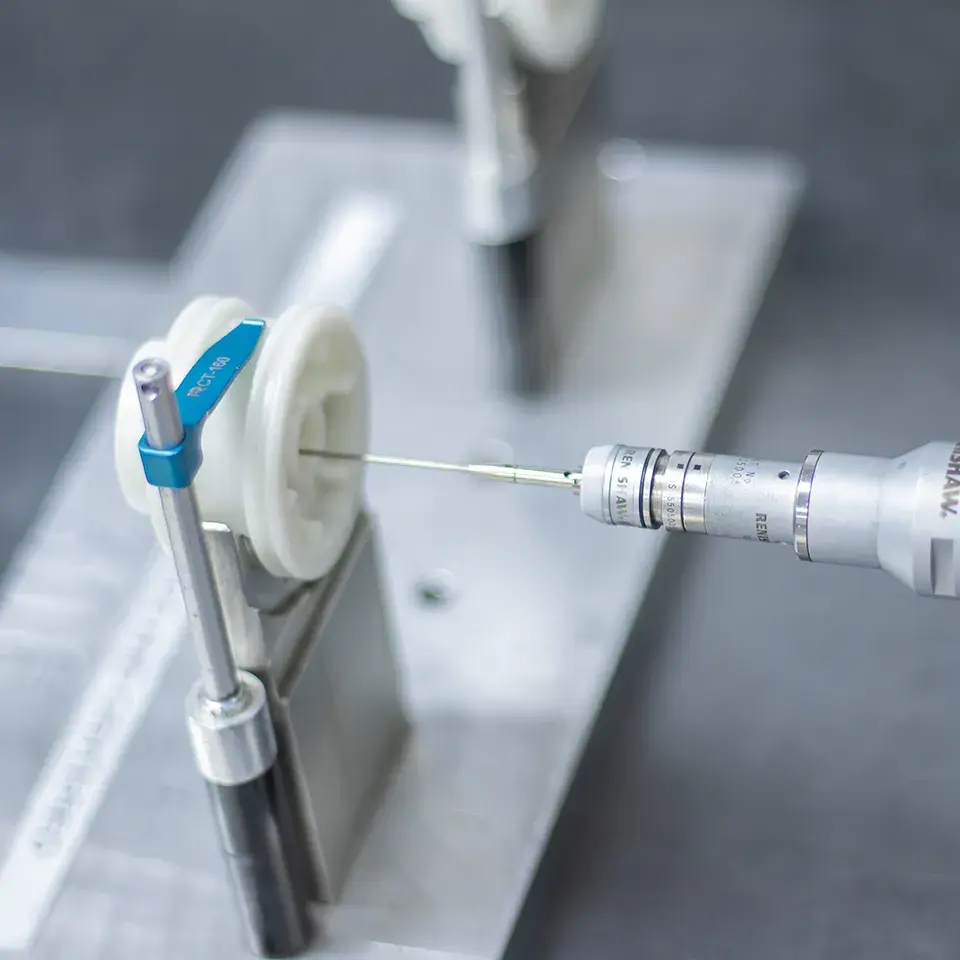
A manufacturer of handheld gas detection instrumentation brought Kaysun into the design phase of an updated device while the part design was still open to change. The device required five injection-molded components: two outer housing shells, two internal components used in the customer's assembly, and a calibration cup that regulates gas flow during device calibration. The case front called for a two-shot process, with a clear rigid substrate overmolded in a soft-touch color.
The program carried two fixed deadlines that could not move: a "UV1" build, the customer's first full assembly trial combining Kaysun's molded parts with electronics and components from other vendors to confirm the design worked as intended, followed by a validation build ahead of production launch.
Solution
Kaysun's approach rested on three things: getting involved early, communicating with transparency, and building enough trust to earn real flexibility from the customer.
Early collaboration
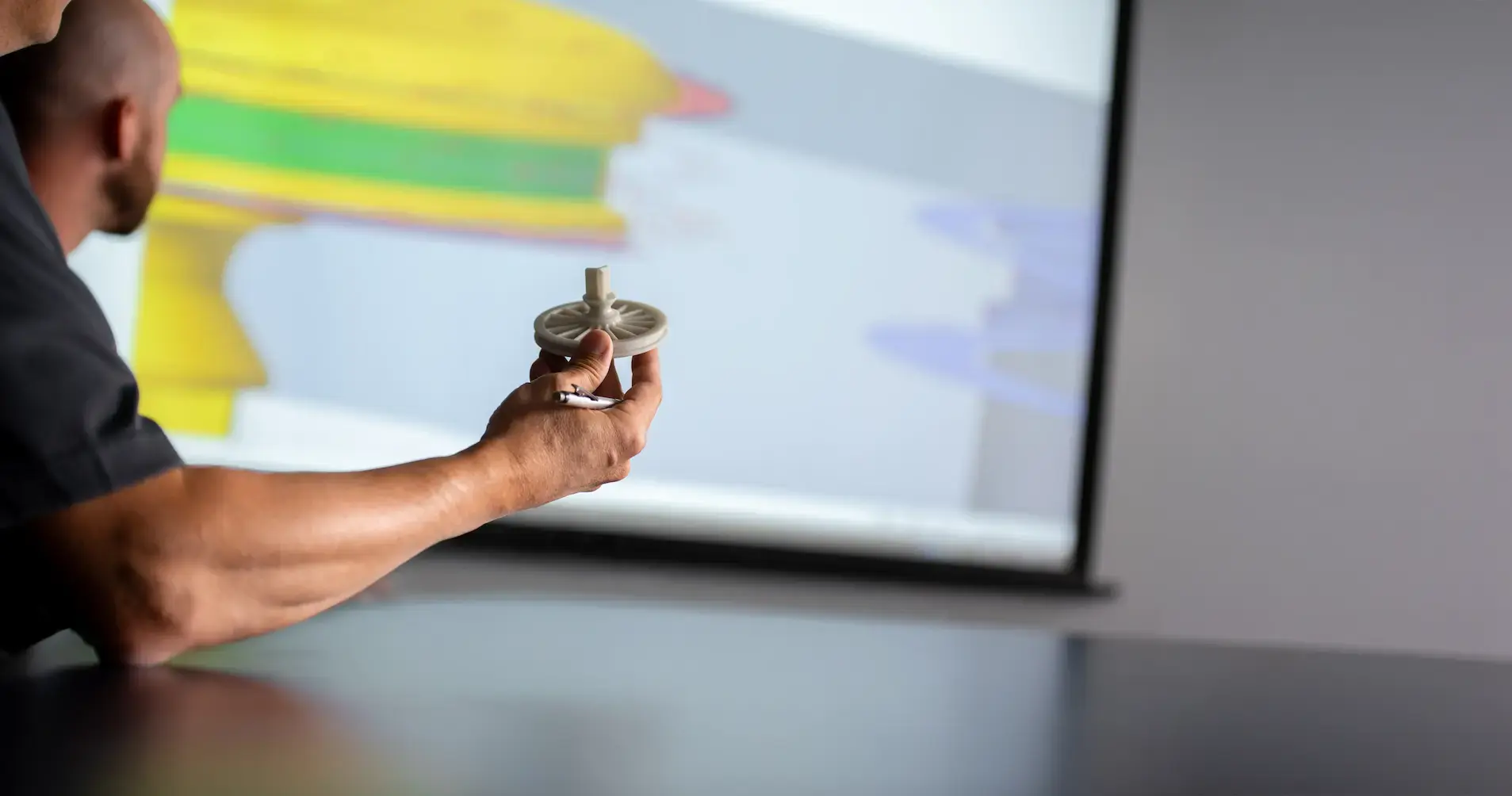
Kaysun was pulled in before the purchase order was finalized, while part geometry was still open to change for moldability. Early conversations with the customer's design engineer covered the true intent of each part, how Kaysun's molded components stacked up within the full assembly, and how those parts would interact with components elsewhere in the device. That groundwork made it possible to have direct conversations about what was genuinely critical to each part versus what had room to adjust, and to suggest changes that benefited Kaysun, the customer, and the end user alike.
Transparent, timely communication
Kaysun's principal tooling engineer, Dave Roen, worked alongside Sr. Project Engineer Paul Van Grinsven to manage tooling design reviews throughout the build. The team provided detailed, timely status updates to keep both sides aligned, which made it possible to get the customer on a call quickly whenever a question or issue came up mid-phase. That pattern held through the build itself: Kaysun and the customer held calls while the tool was still in the press, working through decisions in real time.
"It was the early collaboration, having those open conversations before things were locked down. That was huge. We were having calls with the customer while the tool was still in the press so we could make quick decisions."
Trust and flexibility
That communication pattern built trust as the project went on, and the customer met it with flexibility of their own, making time for conference calls on short notice, even mid-press, so decisions didn't stall. The customer's confidence in Kaysun's expertise gave the team room to perform at each phase of a program with almost no built-in slack for tool revisions once the build was underway.
Results
Kaysun met both the UV1 and validation build deadlines, clearing the way for the customer to move into production. After tooling was awarded, the customer asked Kaysun to take on sub-assembly work as well: installing the printed faceplate and applying internal labels and stickers, work Kaysun already had the components on hand to support.
The finished program includes:
- Five injection-molded components produced for a single handheld assembly
- A two-shot case front combining a clear rigid substrate with a soft-touch overmold, offered in two color options
- Value-added assembly services including gasket, sticker, and faceplate label application, added to Kaysun's scope after the initial tooling award
Impact
"I think some of the suggestions we brought to the table helped, not only from our perspective, but the customer's and end user's too."
Meeting a deadline with no margin for tool revisions took more than technical capability. It took a customer willing to open the design early, a team communicating with enough transparency to catch problems mid-phase, and trust built through that process that let both sides move quickly under pressure. Those three things, together, are what got the program to production on schedule.