
Kaysun’s specially qualified Master Molder Engineers have trained rigorously in decoupled molding processes and strategies. These scientific injection molding specialists focus on either the development of the process (optimizing the tool and its function) or the production phase (ensuring that the process conforms to the template). Once the process engineer ensures the tool is running well, the process moves into production, and the production specialist begins monitoring the template and process parameters. The production run continues while the parts are being measured, with quality testing at regular intervals during each shift. The engineers analyze and compare data to templates showing the ideal parameters. As they identify issues, they determine how and where to make the necessary adjustments to perfect the process for each unique tool and production situation. Kaysun’s Master Molder-certified engineers lead the hands-on, in-process quality control for our clients. Their expert analysis of the test data is the key to achieving a stable process for the manufacturer and assuring defect-free products, time after time.
The types of testing and monitoring data collected and analyzed during the tool-development and production phases include:
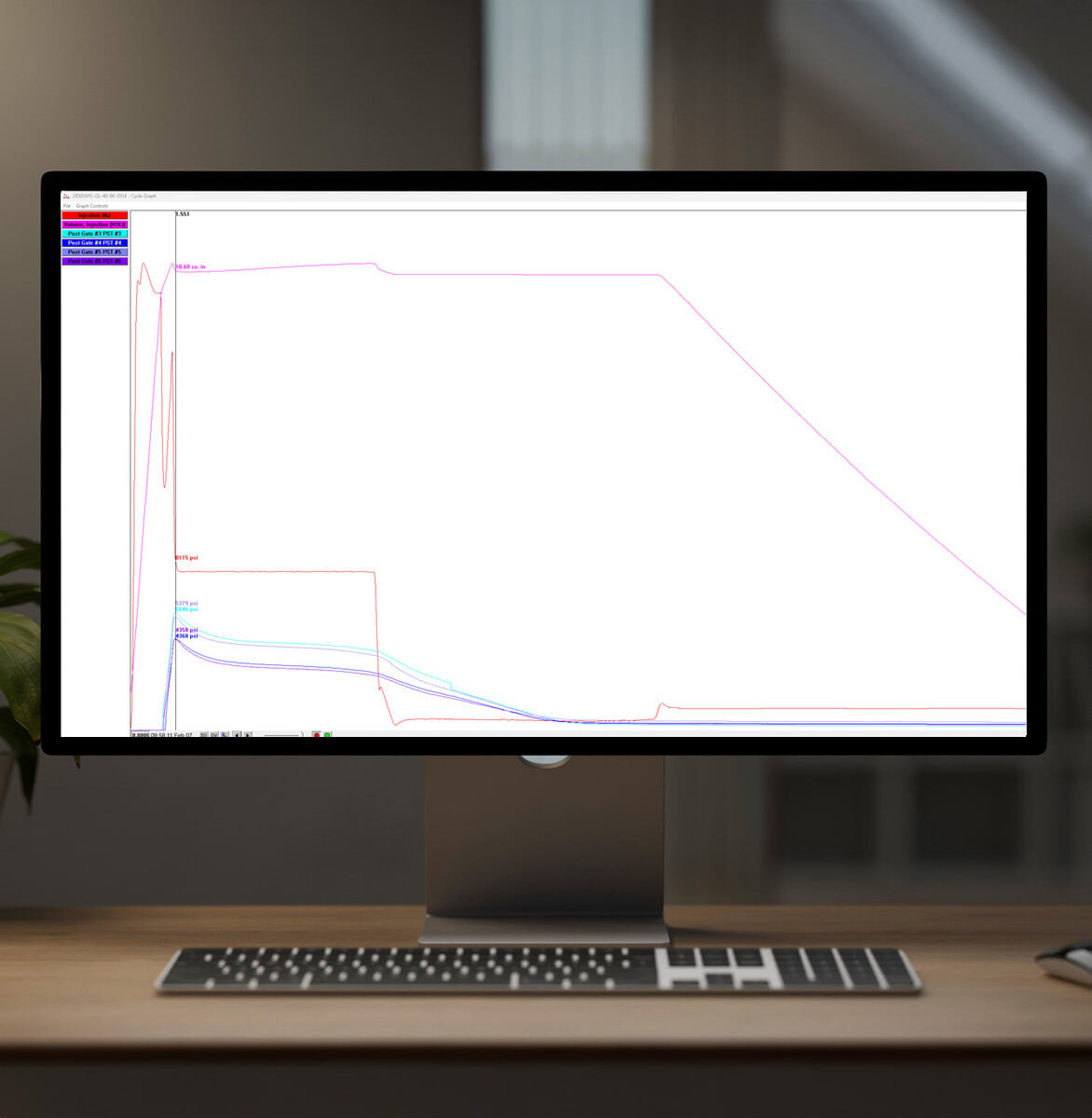
- Cavity pressure readings
- RJG graph comparison
- Gate seal studies
- Rheology curve
- Design of Experiments
Versatility in Production
Every tool has its own fingerprint, and so each molding situation is unique. Kaysun’s scientific molding specialists customize each process to allow production to be moved from press to press as needed, with no loss of consistency. These engineers monitor parameters such as melt temperature, injection speed and pressure changes in order to identify that robust and reliable process. Then the collected data is used to create a customized template of those process parameters. By matching this template throughout production, the OEM is ensured identical, top-quality parts across all production lines.
Working with Our Partners: OEMS
By starting a partnership in the earliest stages—part design and tool design, OEMs benefit most because issues are caught early and efficiency and cost-savings are maximized. For example, proper testing and monitoring during new-tool development results in a mold with robust-process capabilities. You can rest assured leaving your most improbable manufacturing challenges in our hands. Our engineers have been trained to understand the scientific injection molding process from the perspective of the plastic: what’s going on with the polymer inside the mold. With these skills, they identify problems swiftly and then precisely determine and execute solutions. And that means the best possible precision-molded part is produced with complete consistency for the entire production run.