
Decoupled Molding

Decoupled molding has taken the old method from an art to an exact science.

That precise control comes from skilled analysis of intricate scientific testing. There are no assumptions or opinions involved, just data that specifically trained and certified engineers interpret to identify where to adjust the process for optimal parts and the most efficient injection molding cycle time.

Types of Decoupled Molding

Decoupled I (partially decoupled), where the mold is filled 100 percent on first-stage pressure, is marked by unbridled kinetic energy and a lack of control in the packing phase. It is an outdated method that is not used at Kaysun.

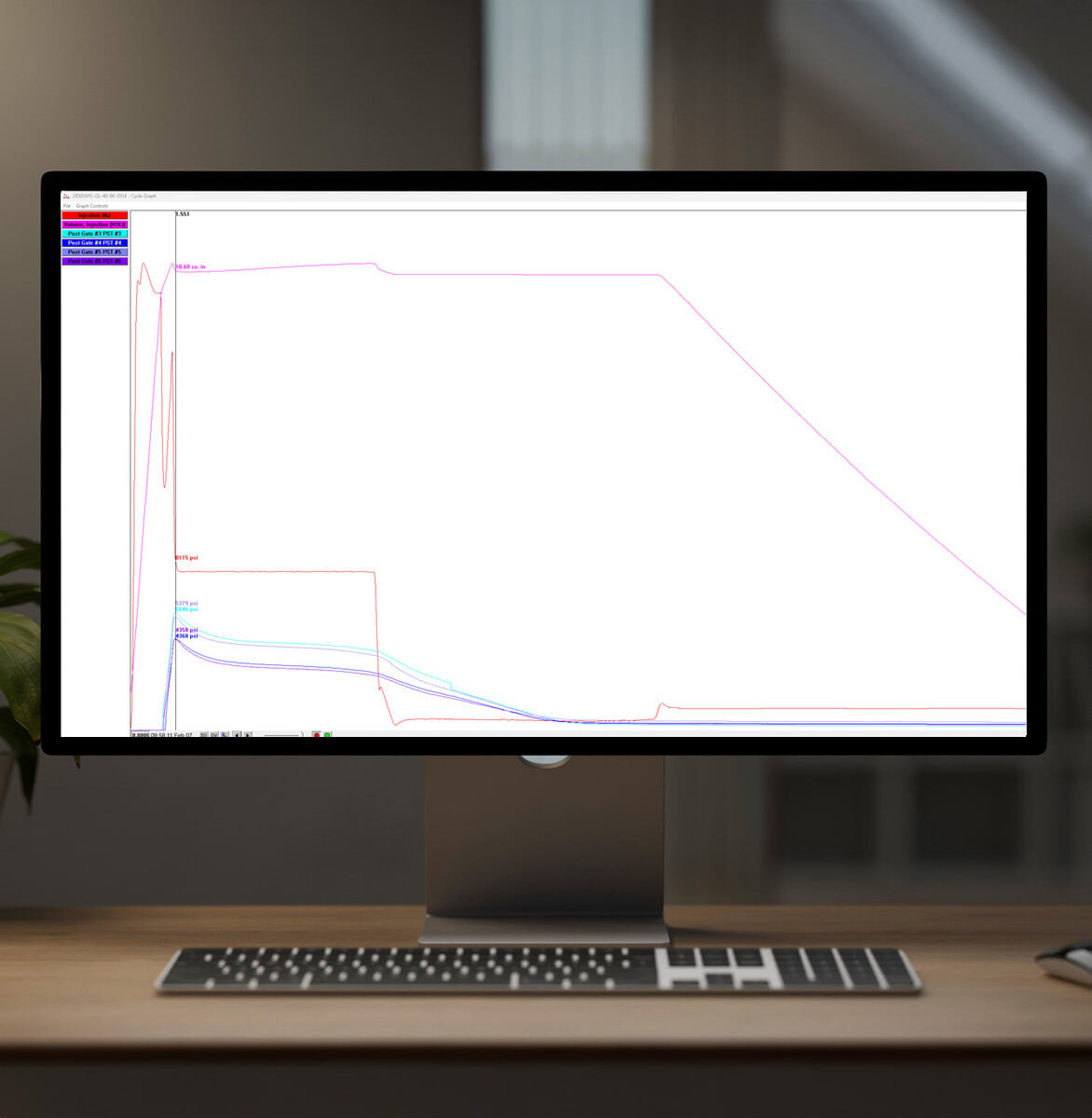
Decoupled II (fully decoupled molding) involves fully separating the fill and pack phases of the injection molding process for a controlled end. This prevents the pressure build-up of a too-rapid fill. The cavity fills quickly, but that stage is decoupled from the pack stage so the kinetic energy is spent before mold flash occurs. At the decoupling point, 95 to 99 percent of the mold cavity is filled, with the remainder to come in the controlled pack stage. The hold stage is also included in this second step.

Decoupled III (totally decoupled) further refines the process by separating it into three, rather than two, stages: fill, pack rate and hold. Fill is the same as in Decoupled II molding process, but the pack rate is done at low speed until pressure in the mold cavity reaches the desired level. The process-control point pivots to sensors within the mold that read where the plastic is, resulting in a much more controlled process. The kinetic energy is lowered more gradually than in II, and the pack rate is very precise. Decoupled III is more complex and requires special machines or modification of existing machines. Cavity-pressure transducers must be added to the molds and then interfaced electronically with the injection-molding machine as well as the E-dart monitoring system.

                           textformat-leading2p-alignleft